
Recently, there have been a lot more mosquitoes around our Jurong West area. Not just a few more — the kind where you're sitting in the living room, kids are playing in the yard, and within minutes you've got several bites.
I called the Pest Control company three times to come out. First visit: they stayed for an hour. Second visit: same thing. But the mosquitoes kept coming back. I was wondering — is there a breeding spot somewhere near our centre that we've missed?
Then a neighbour told me: NEA has been releasing Wolbachia mosquitoes nearby. Around the Pioneer MRT area, releases happen every Monday and Thursday since 20 April 2026 (NEA Dengue Services).
So I did some research. And what I found was genuinely surprising —
The mosquitoes NEA releases don't bite people.
Male vs Female Mosquitoes — The Science Nobody Told Us
NEA's "Project Wolbachia" releases male Aedes aegypti mosquitoes carrying Wolbachia bacteria. Key facts:
- Male mosquitoes only feed on nectar — they don't bite. Only female mosquitoes need blood to produce eggs.
- These males mate with wild females, and the eggs don't hatch.
- Over time, the local female mosquito population drops by 80-90%.
- By October 2026, this programme will cover 800,000 households (50% of Singapore's total).
So if you see a big swarm of mosquitoes flying around — those are NEA's male mosquitoes. They don't bite you. The bites you're getting are from wild female mosquitoes that haven't been suppressed yet.
Why Does It Feel Like There Are More Mosquitoes?
This is a phenomenon all of Singapore has been discussing — even NEA has posted about it:
- During the initial release phase, overall mosquito numbers do go up — because male mosquitoes are being released in large numbers, and wild females haven't been suppressed yet.
- The swarm you see is mostly harmless males, but the bites are still from wild females.
- It takes weeks to months for female numbers to drop — the effect isn't immediate.
In February 2026, MP Gerald Giam raised this in Parliament: residents at Tampines GreenVerge reported still getting badly bitten even after Wolbachia releases. The government's response was the same — males don't bite, the bites are from wild females not yet suppressed.
Dengue 2026 — The Numbers
Good news: Singapore's dengue cases are indeed dropping.
- Q1 2026 (Jan-Mar): 410 cases, down ~29% from the previous quarter
- First 5 months of 2026: ~600 cases, down 66% vs the same period last year
- Full year 2025: 4,036 cases (a 7-year low)
- Full year 2024: 13,651 cases
You can check the latest dengue statistics and active cluster information on the NEA Dengue page.
Bad news: Even though the trend is down, for babies and toddlers, even one case is too many. Dengue can develop faster and be more severe in young children, especially those under 2.
Protecting Your Baby by Age — A Practical Guide
This is what every parent wants to know. Different ages need different protection methods.
Newborns Under 2 Months
No insect repellent at all — their skin is too sensitive.
- Use mosquito nets over cots, prams, and baby carriers
- Dress in light-coloured long sleeves and pants — mosquitoes are more attracted to dark colours
- Avoid going out during early morning and evening (Aedes peak hours)
- Install window and door screens at home
?? Babies 2 Months+
According to Singapore's NEA and the HealthHub Insect Repellent Guide (HPB), these ingredients are safe for babies 2 months and older:
- DEET 10-30% — the classic, most effective ingredient
- Picaridin 10-20% — odourless, non-irritating
- IR3535 — a gentler repellent option
Note: Don't apply to baby's hands (they put them in their mouths), around eyes, or on broken skin.
Toddlers 1-3 Years
- Apply it yourself — don't let toddlers apply their own repellent
- Reapply after outdoor play when they sweat
- Mosquito repellent patches or bands can help as a supplement (but don't replace repellent)
- Light-coloured long sleeves and pants outdoors
?? Preschoolers 3-6 Years
- Start teaching them about mosquitoes — "this little black bug bites, tell an adult if you see one"
- Let them apply repellent under supervision (building the habit)
- Schedule outdoor activities outside of peak biting hours (early morning, late afternoon)
- Bath immediately after returning from outdoor play
Home Mosquito Checklist — Check Every 2 Days
NEA keeps emphasising: Aedes mosquitoes only need a bottle-cap amount of stagnant water to breed. Here's what you need to check:
- ?? Flower pot saucers — empty standing water, or cover with fine sand
- ?? Vases — change water every 2 days, or use artificial flowers
- ?? Roof gutters — clear leaves to prevent water pooling
- ?? Buckets and containers — store upside down when not in use
- Used tyres — Aedes' favourite breeding spot
- ?? Bathroom floor traps — pour hot water regularly to clear
Check every 2 days — that's NEA's recommended frequency. If you do this properly, there'll be nowhere for Aedes to breed around your home.
When to See a Doctor — Dengue Symptoms
Classic dengue symptoms include:
- Sudden high fever (up to 40—C)
- Rash (usually appears 2-5 days after fever starts)
- Pain behind the eyes
- Headache, muscle and joint pain
- Nausea, vomiting
Critical reminder: If your child has a fever, use ONLY Paracetamol. NEVER give Aspirin or Ibuprofen — these increase bleeding risk.
For detailed dengue information and healthcare guidance, visit the HealthHub Dengue page. If you suspect dengue, see a doctor immediately — don't wait.
How Our Centre Keeps Children Safe
Before you enrol your child, you'll want to know: is our centre doing enough to protect them from dengue?
Here's what we do:
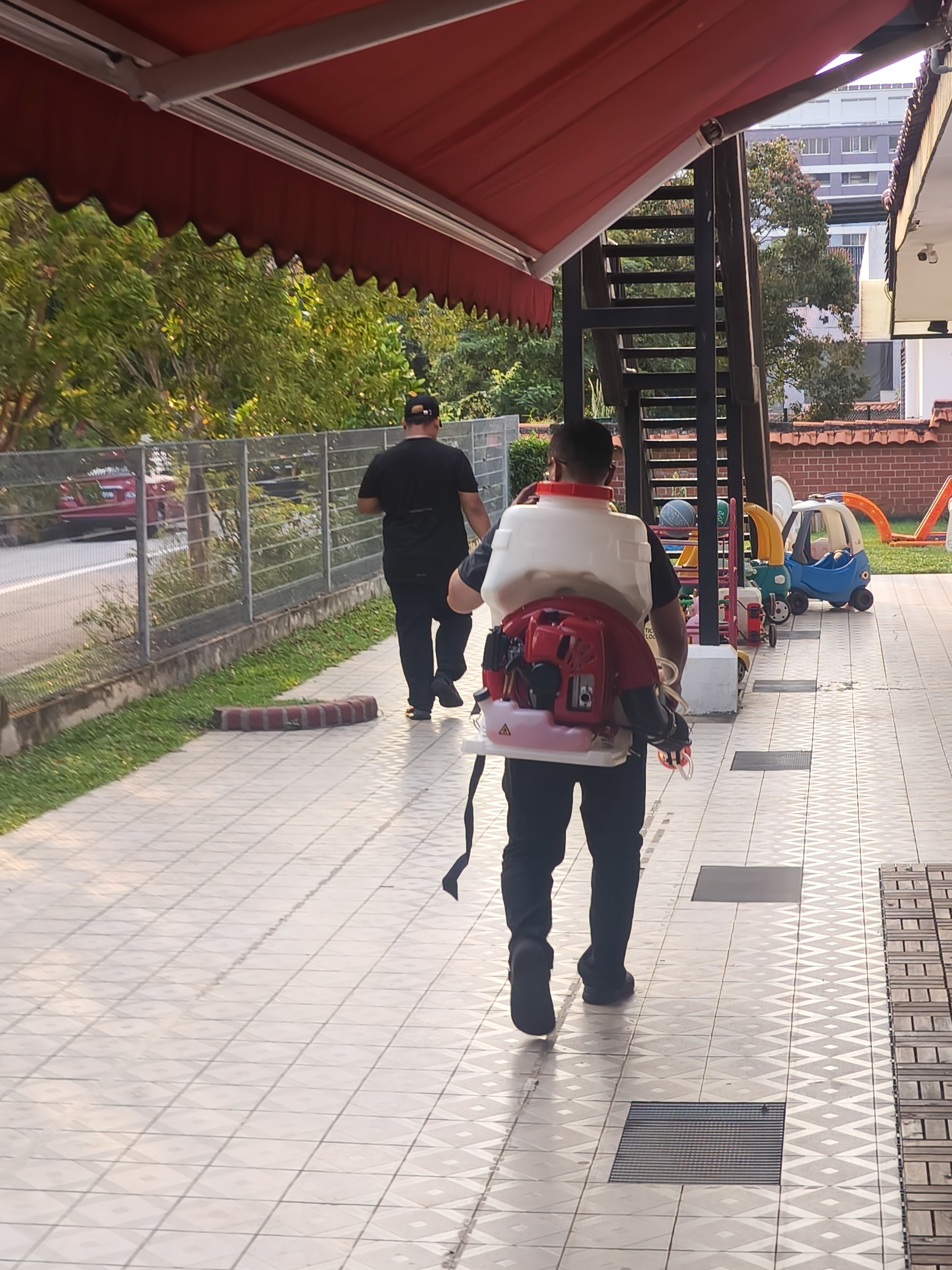
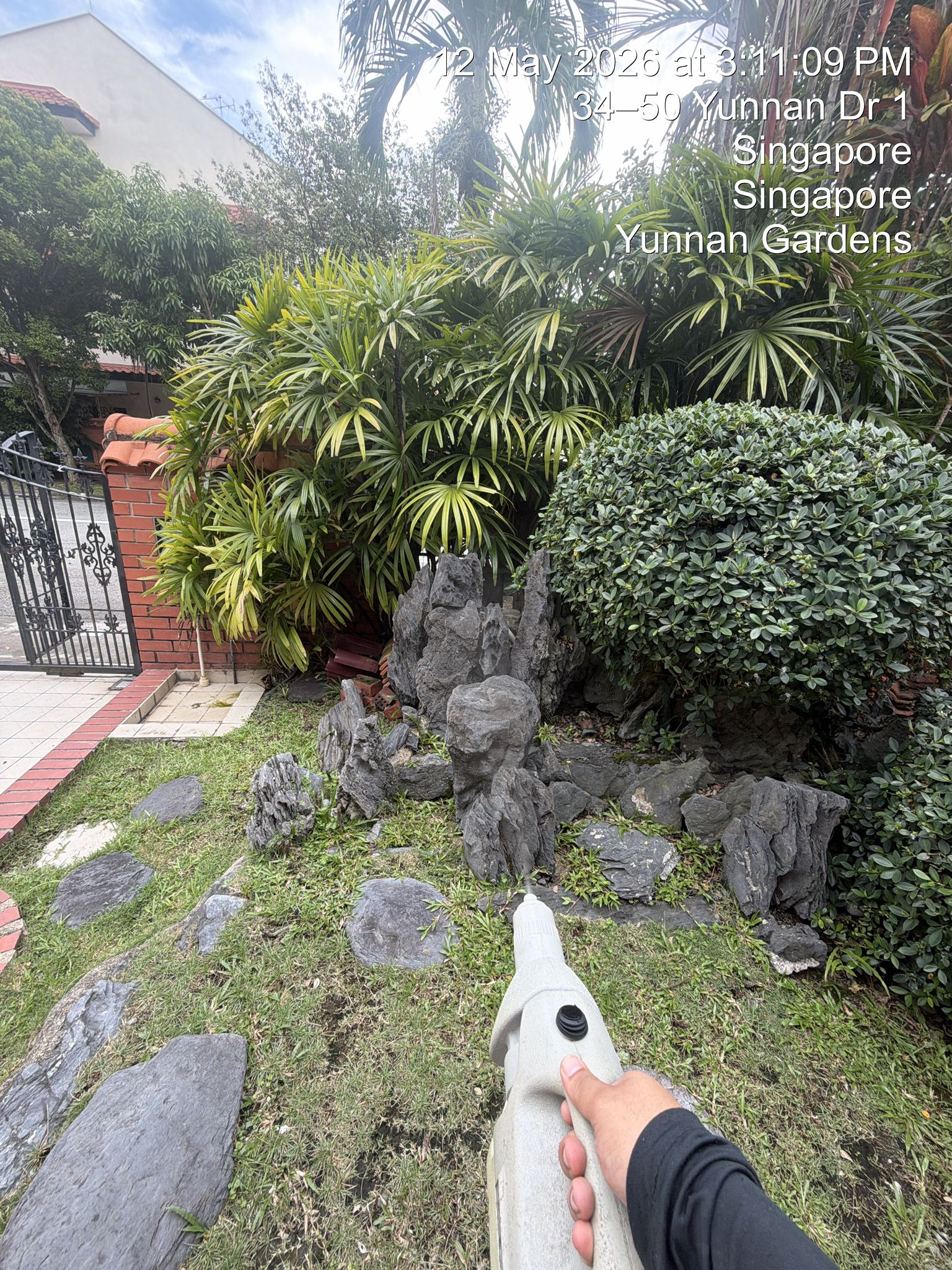
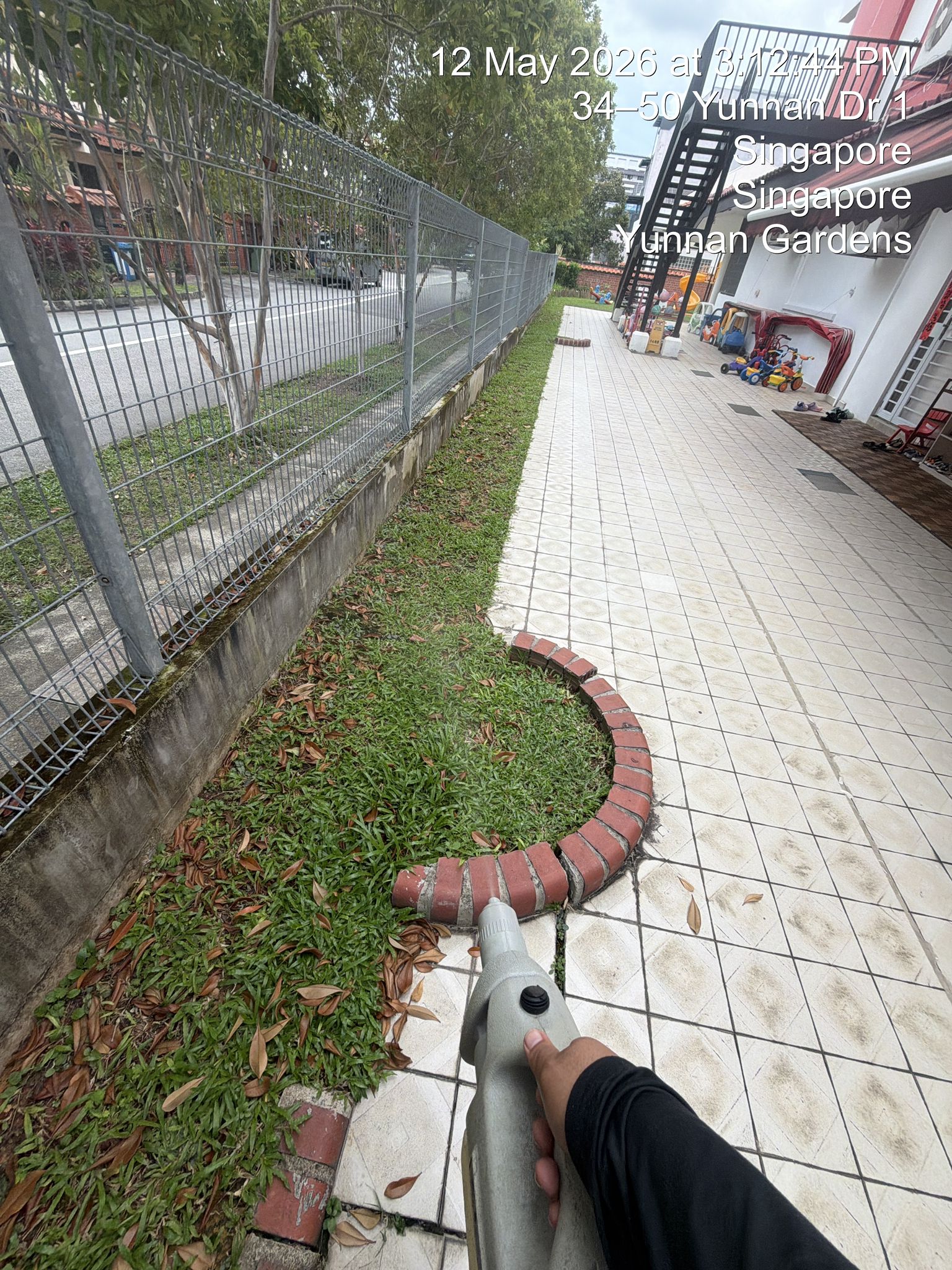
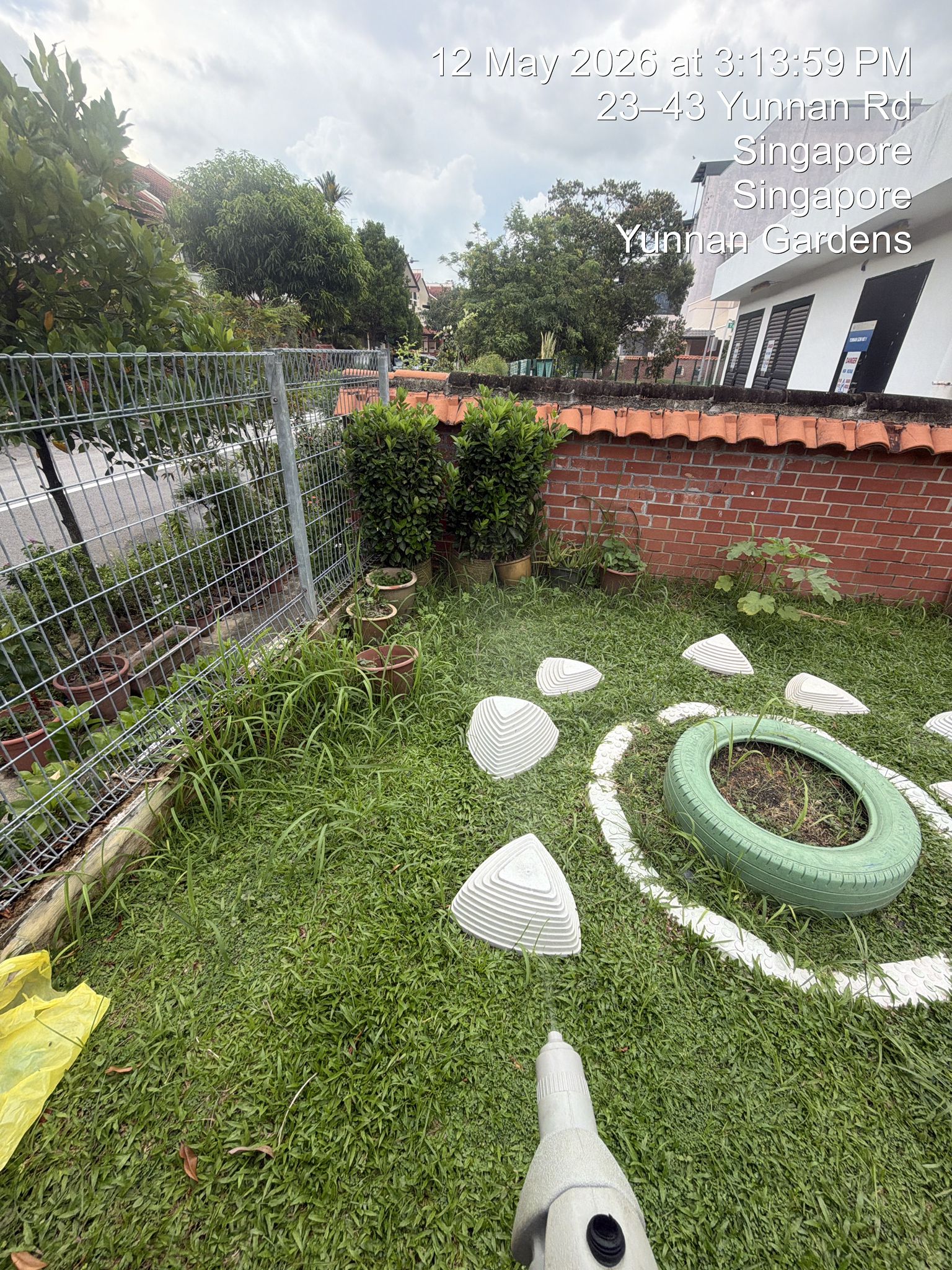
- Monthly professional Pest Control treatment — all outdoor areas (landscaping, rock gardens, walkways, plant areas) are sprayed. We keep detailed service records and GPS-stamped photos.
- Daily stagnant water checks — the centre head inspects the campus daily to ensure no Aedes breeding points.
- All windows and doors have mosquito screens — physical barriers are the first line of defence.
- Indoor activities during peak biting hours — early morning and late afternoon, children stay indoors.
- Parent communication during NEA releases — we keep parents informed about Wolbachia mosquito releases so they know males don't bite and there's no need to worry.
- NEA-approved repellent for outdoor activities — child-safe formulations only.
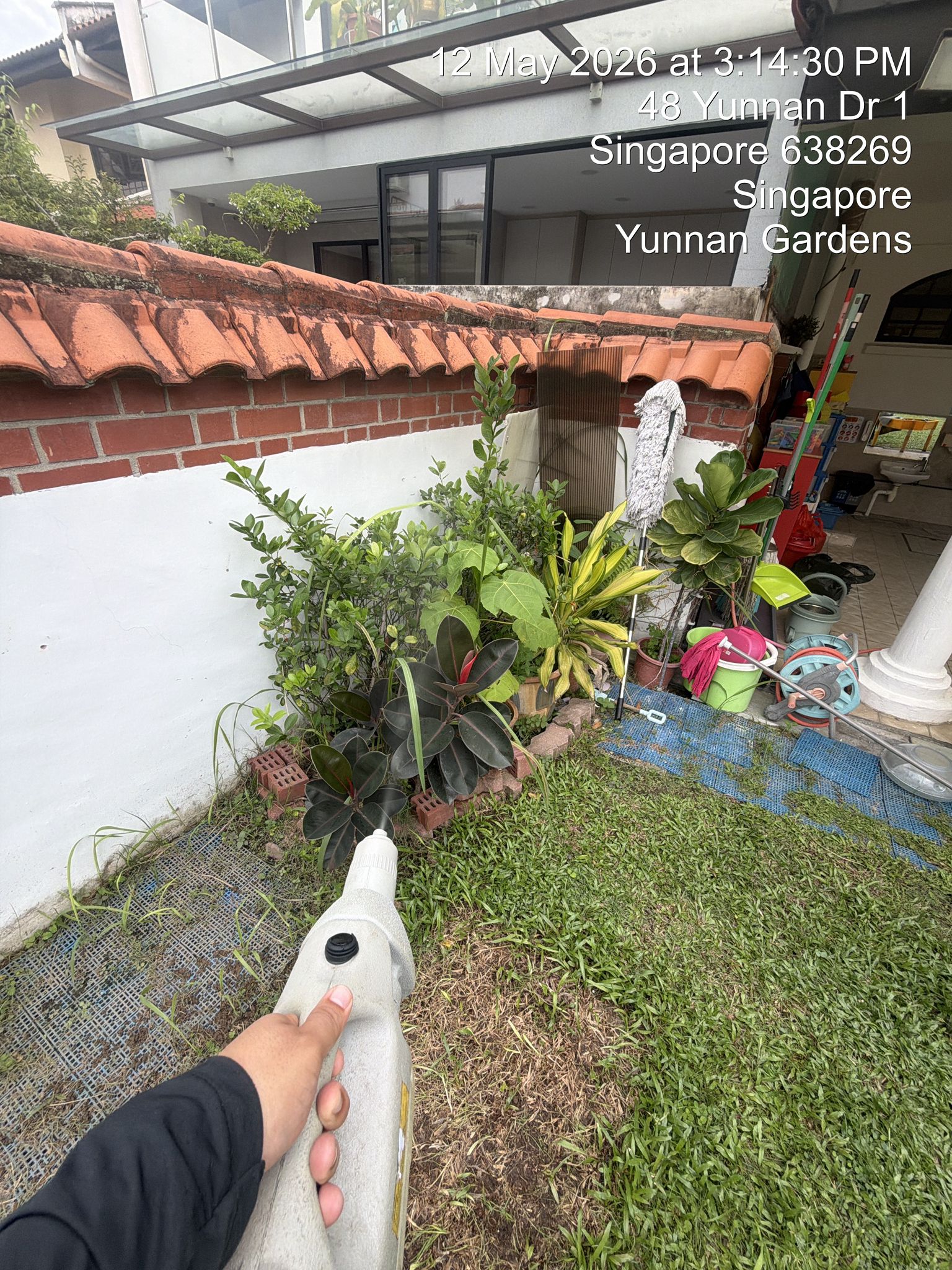
For more information on NEA's dengue prevention measures, visit the NEA Dengue Prevention & Control page. You can also learn about the science behind the Wolbachia programme on the NEA Wolbachia Strategy page.
Our centre is on Yunnan Drive, right next to NEA's Pioneer release area. Nobody cares more about the mosquito situation here than we do — because our children are here every day.
Your Child's Safety Is Our Priority
At our centre, dengue prevention is a daily routine — water checks, professional pest control, indoor activities during peak hours. Explore our programmes to see how we keep your child safe.
Book a Free TourFrequently Asked Questions
Do Wolbachia mosquitoes bite?
No. NEA releases male Aedes mosquitoes. Males only feed on nectar — they don't bite. The bites you're getting are from wild female mosquitoes that haven't been suppressed yet. Over time, the female population will drop significantly.
What mosquito repellent is safe for babies in Singapore?
Under 2 months: No repellent at all — use mosquito nets and long sleeves only. 2 months and above: According to NEA guidelines, DEET (10-30%), Picaridin (10-20%), and IR3535 are all safe. Avoid applying on hands, around eyes, and on broken skin. Common brands include Amber Shield, Mozzi Mozzi, and Mama's Choice — look for NEA-registered products.
How do I know if my child has dengue?
Classic dengue symptoms include: sudden high fever (up to 40—C), rash, pain behind the eyes, headache, muscle and joint pain, nausea and vomiting. If your child has a fever, use ONLY Paracetamol — never Aspirin or Ibuprofen (these increase bleeding risk). If you suspect dengue, see a doctor immediately.
How often should I check for stagnant water?
NEA recommends checking every 2 days. Aedes mosquitoes only need a bottle-cap amount of stagnant water to breed — flower pot saucers, vases, drains, and discarded tyres are all common breeding spots. If you do this properly, there'll be nowhere for Aedes to breed around your home. You can also use the NEA website to report stagnant water at your neighbour's place.